HOW DO WE GET HERE?
Focus: Queer Latin American Archive
Onsdag 30 sep från kl 17.30-23.00 och lördag 2 okt kl 15.30, Kulturhuset Hartwig
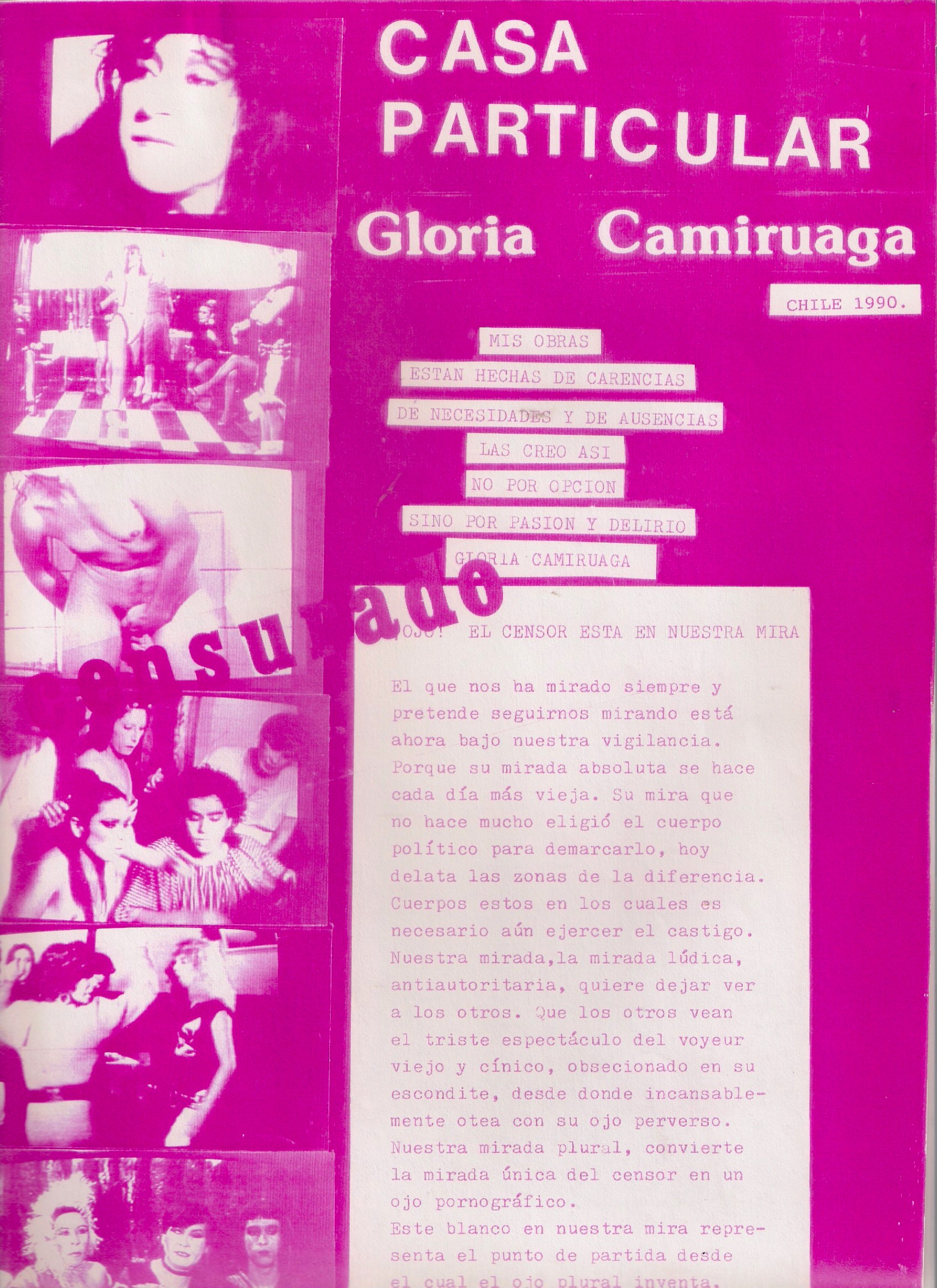
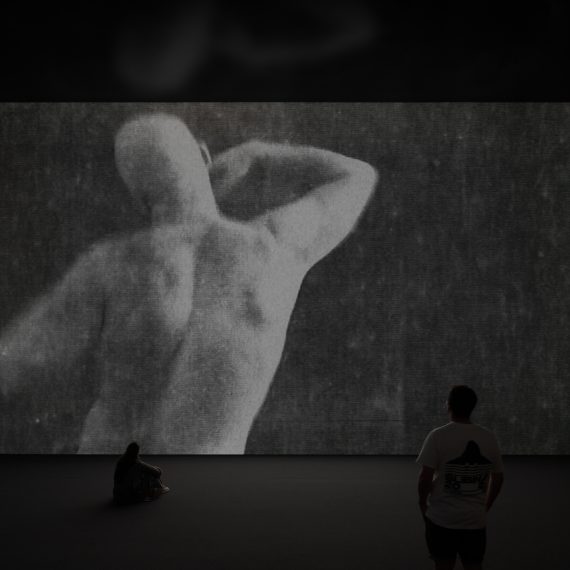
Tillsammans med den argentinska curatorn Celeste Orozco presenterar vi ett latinamerikanskt program med filmer från arkiven! Vi återupptäcker Mexikanska klassikern A Place Without Limits och ger oss ut på en tidsresa genom Brasiliens lesbiska aktivismhistoria. Dessutom presenterar vi ett helt unikt kortfilmsprogram av filmer som precis restaurerats och aldrig tidigare visats i Sverige och lustande nunnor i I, the Worst of All.
Missa inte att ta del av hela detta program genom kombobiljetten ”Helkväll: Fokus Latinamerika” för enbart 150 kronor.
Introtext av Celeste Orozco
“Loss is one of our greatest cultural legacies […] We never know what we lose when we lose something. Sometimes it is less than we imagine; other times, it is more. The rules governing the economy of loss are unclear. […]
I wonder what exactly we have lost […], and I also wonder what we would gain if we had it”.
This excerpt by Argentine researcher Mariana Gardella engages with the lost poems of the lesbian poet Sappho, but it can be applied to any other lost work, even more so when it is part of a narrative about queer lives, and even more so in Latin America, where censorship by successive dictatorial governments made people and their works disappear, while also considering the precarious preservation strategies available over recent decades.
Still, a selection is always a matter of whim. However, when it comes to archival pieces, it is a matter of choosing from what is available; and in this case, it means attempting to briefly condense a continent: what remains of its infinite possibilities for identity, the struggles for survival waged by filmmakers and protagonists on the margins of a cruel world, their contradictions, whether explicit or veiled in the unconscious, as well as their militant advocacy and the fissures they create within an order that despises them—and to which they respond.
This program oscillates between historical narratives and personal stories, between literature and thought, superimposing and interweaving, within the landscape of Latin American queer cinema, a gaze of the era—sometimes documentary, sometimes fictionalized—always permeated by the vital will to show up and exist, in favor of an emotional expression and a sensitive and sensory aesthetic, and coming to a conclusion that underscores the joyful inevitability of history’s blurring.